Pre-owned yachts
Used Yacht Survey and Documents: A Buyer’s Working Checklist
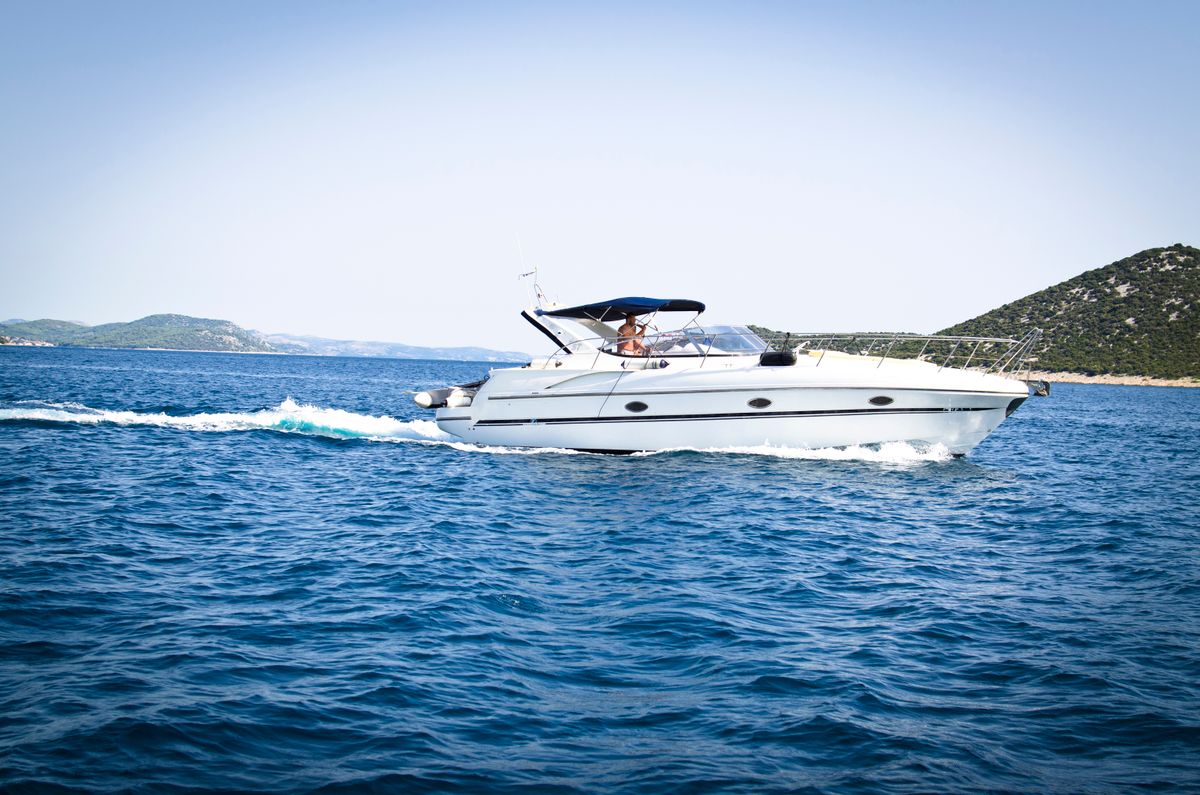
Organise ownership records, maintenance evidence, inspection scope and unresolved findings before treating a used yacht as ready to buy.
On this page
Buying a pre-owned yacht is an evidence exercise. Photos and specifications help you screen options, but the purchase decision should rest on records, an inspection scope suited to the yacht and a clear account of what has not yet been verified.
This guide is practical planning content, not legal, tax, registration, engineering or survey advice. Check destination-specific decisions against current official sources and qualified local professionals.
Start a received, verified and missing register
List every requested item and give it one status: received, independently verified, seller-stated, expired, unclear or missing. This simple register prevents a busy data room from being mistaken for a complete and reliable evidence pack.
Match identity and ownership records
Compare hull identifiers, registration details and the seller information across the available records and the physical yacht. Ask the transaction professionals what evidence they require for transfer rather than assuming one document proves every ownership question.
Read maintenance history as a pattern
Look for dated service entries, invoices, replaced parts, recurring faults and gaps rather than counting documents. Ask which machinery and systems were serviced, by whom, and whether the physical condition supports the story told by the records.
Define machinery and electrical checks
Main engines are only part of the review. Agree how generators, batteries, charging, shore power, pumps, steering, controls and navigation equipment will be checked, and record access limits that prevent a complete conclusion.
Inspect structure, deck and included equipment
Plan access to the hull, underwater gear, deck fittings, windows, tanks, safety equipment, tender and inventory. Confirm which items are included in the sale and which observations need specialist follow-up rather than casual reassurance.
Agree an independent survey scope in advance
Select a surveyor independently and share the yacht type, age, location and intended use. Confirm haul-out, machinery specialist, sampling, destructive testing limits and reporting format before attendance so expectations are written down.
Use the sea trial to answer planned questions
Prepare operating checks with the surveyor and machinery specialist instead of treating the trial as a demonstration ride. Record conditions, loads, readings, alarms, handling observations and any systems that could not be tested.
Turn unresolved findings into decisions
Group open items by the action needed: further evidence, specialist inspection, repair scope, price discussion, contract condition or accepted risk. Assign an owner and a decision point so important findings do not disappear in email threads.
Updated
Browse yacht listings
Buying a Yacht in Asia: A Practical Decision Guide
Build a useful brief, compare evidence on equal terms and test delivery feasibility before a yacht purchase moves too far.Read guide